
beautiful, practical things
ft Yanagi Sōetsu and the wonderful women weavers of the Bauhaus.

I have a recurring conversation with my best friend about aesthetics vs practicality. It’s a theme that we approach from different perspectives whenever it comes up. Just yesterday I lamented how the kitchens I see and love on Pinterest are so far removed from the kitchen I actually had installed in my house. One thing is the visual and another is the practical, and for us, they don’t often match.
As an unwilling minimalist with maximalist tastes, I struggle to come to terms with the fact that while I may find maximalism beautiful, it stresses me out. I can’t have useless things in our house. Art for art’s sake? More like art for very specific purposes. I love nothing more than a beautiful, useful object. Not for me the trinkets and memorabilia.
I carry this struggle to every part of my life, including my art. Throughout my life, I have pursued different forms of artistic expression, from piano to painting, illustration to weaving and embroidery. I have landed pretty firmly in the textiles camp and am so thankful because textile art is useful. I can turn my brain off, I can think yes, this is meditative and lovely but it will also eventually be a bookmark, or a coaster, or a curtain or a blanket if I so desire. Even if it’s wall art, it has historically been used as a tool to heat or improve noise in a home. It will serve a purpose.
I am, thankfully, not alone in feeling this way. In The Beauty of Everyday Objects, Yanagi Sōetsu preaches the virtues of mingei, or folk art, which is an amalgamation of all the things that my brain craves. Sōetsu believes objects not only have to be beautiful, they have to be well crafted by using the right materials with the right techniques. Their utility has to be the first consideration but the way they look can’t be ignored. Any object we choose to make a part of our lives must be beautiful or at least we must find it pleasing because we are going to spend so much time with it. Beauty and life can’t be treated as separate, our daily life must be filled with it through the objects we manipulate constantly.
Sōetsu argued that our sensitivity to beauty had been impacted by the rise of unattractive objects (and this was in the 1920s. Imagine if he knew Shein was going to exist, poor man). He believed we had lost respect for everyday objects (clothes, utensils, furniture) because they had become so ugly and badly made that we no longer felt respect towards them. When an object is good quality, made by an artisan- it’s beauty grows the more it is used.
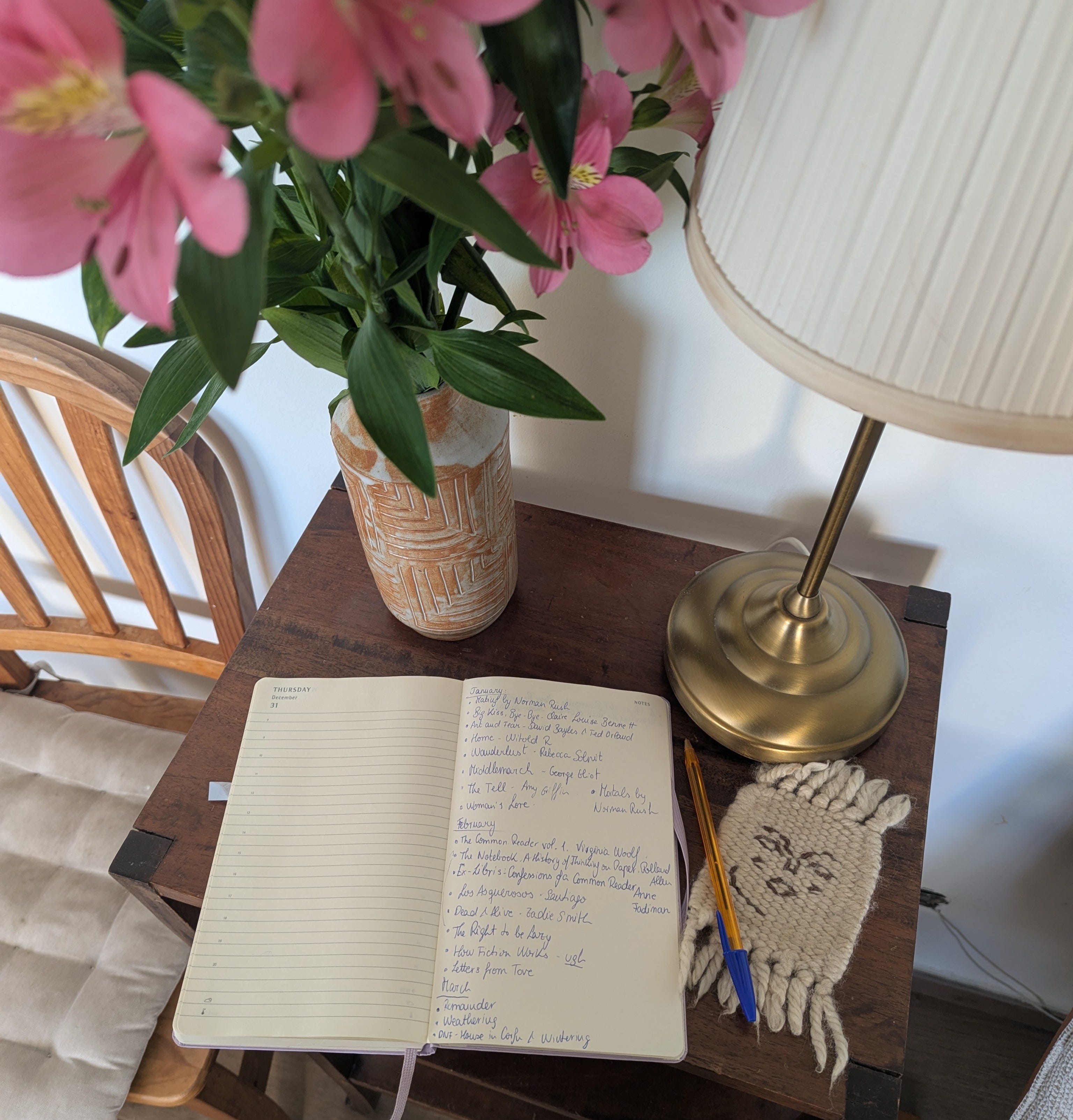
For this beauty to truly become a part of our lives, Sōetsu remarked on the importance of “a healthy folk art tradition”. You’re probably thinking this sounds great but also, expensive. That wasn’t Sōetsu’s intention. He claimed handcrafted objects should be cheap because at the time of writing these essays, knowing how to make things with our hands wasn’t uncommon. Nowadays, in the Western world, handcrafted objects are out of reach for most of us due to the level of specialization and the scarcity of crafters. Being an isolated potter or a weaver isn’t lucrative in a world where most people have grown accustomed to quantity over quality, low prices and constant availability. It isn’t the point, either. Sōetsu explains:
Folk art provides utilitarian ware for large numbers of people and has to developed as an industry. Making it an individual enterprise will go against the very essence of folk craft. The aim of folk crafts should be neither individualistic artistic expression nor the satisfaction gained from owning something produced in small numbers and therefore rare.
The last thing we want is for handicrafts to wither away, we do not want to give our humanity away to mechanisation. Handcrafted objects are reflections of our humanity. In quilted clothes, stitched patterns are deliberately applied to the collar, the ends of the sleeves and the hem to reinforce the areas that are more prone to wear and tear. In cold areas, the women in charge of weaving the cloth found new ways to thicken it to be able to withstand the weather. Textiles show the ways climate changes throughout history.
Cooperation in handicrafts leads to cooperation in other areas of life. We have lost so much in such a short period of time! It wasn’t so long ago that women would knit together or weave together. Click here for an article on very cool women weaving in the Bauhaus textiles dept. The creation of textiles was sociable work, not the lonely pursuit of the artistically minded. The increasing pace of life in our society could be slowed by this return to the handmade -the yearning for community fulfilled. As with all utopian ideas, all we can do is persevere and try to find the people who agree with us and want to share our journey- which is why I’m writing here.
Metamodernism is the search for roots in times of uprootedness. It is the being’s longing for innocence, beauty, and simplicity in times of sophistication, shifting aesthetic standards, and complexity. It is the search for that vantage point from which both complexity and simplicity can make sense, coexist, and complement one another. - Alexandra Dumitrescu